
What Maintenance Leaders Shared in Elevate’s Shop Talk Roundtable
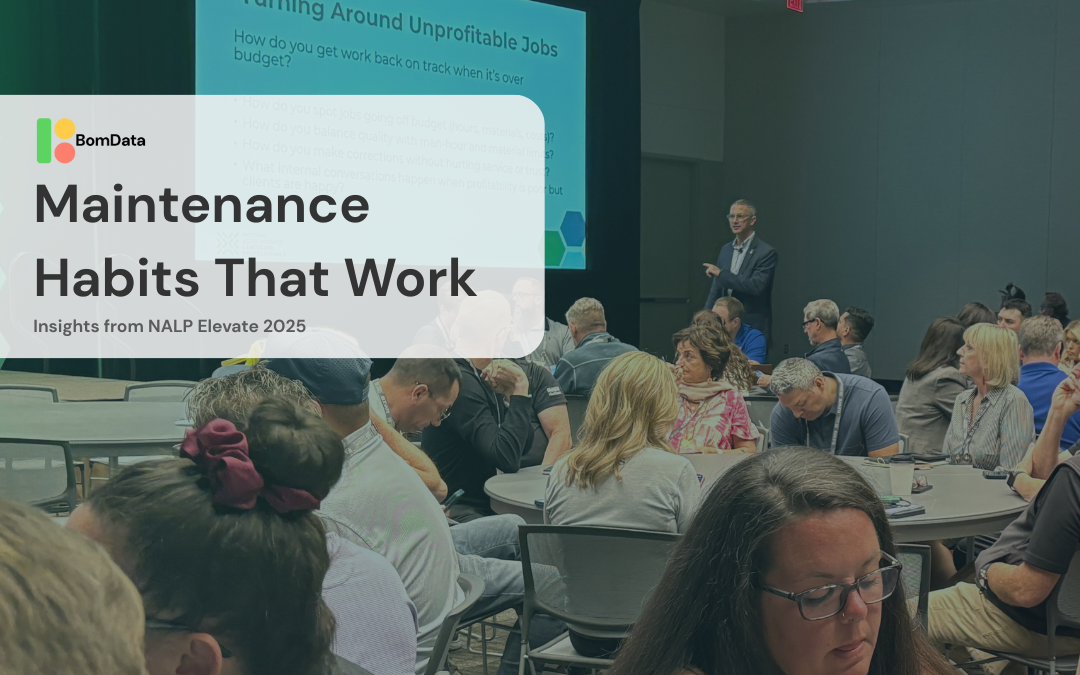
The commercial maintenance roundtable at Elevate 2025 was one of those sessions where you immediately recognize the value of operators talking to other operators. No slides. No scripts. Just people sharing the real situations they face at 6 a.m. The kind you don’t always see reflected in conference decks.
The discussion was lively, honest, and packed with ideas you could take straight back to a branch huddle. Here are the highlights:
1. Weather decisions start before most people are awake
One theme came through loud and clear: strong maintenance teams don’t create a plan at 4:30 a.m. They activate a plan that was already built.
Many confident operators shared the same rhythm:
-
They build weather protocols before the season starts
-
Contract language sets expectations early (“Monday is your standard day, but weather may shift us to Tuesday”)
-
Flex days (Friday or Saturday) and 4×10 schedules are predetermined, not improvised
-
Alternate winter schedules are mapped out in advance: crews and managers know which version to use based on the morning temperature
-
Early-morning calls aren’t for decision-making; they’re for choosing the right pre-built plan and communicating it clearly
The real insight wasn’t about waking up early. It was about preparation that makes the early hours calm and predictable.
That’s the difference between a reactive team and a confident one.
2. Crew autonomy improves when more people can drive
One of the most practical insights from the group was embarrassingly simple:
“We only hire people with driver’s licenses.”
Why?
Because a crew without a driver becomes dependent.
They can’t grab lunch, get water, or go to the restroom without pulling another person with them. And when a driver calls out, the whole route collapses.
Companies that build driver redundancy have:
-
more scheduling flexibility
-
better autonomy in the field
-
fewer bottlenecks on busy days
It’s not glamorous, but it’s operational gold.
3. Quality improves when it becomes a rhythm, not a reaction
The operators who feel most in control of quality are the ones who make it predictable.
Common practices included:
-
Conducting a consistent number of quality audits weekly (and not waiting to do them all at once)
-
Bringing photos and issues into daily and weekly huddles
-
Making quality part of both AM and PM roles
-
Using Aspire audits, safety audits, OneDrive folders, or Property Intel for visibility
-
Creating clear response expectations when scores fall below a set threshold
Some even use a dedicated quality control role, which adds consistency and keeps issues from getting stuck between teams.
Their philosophy is simple: quality shouldn’t catch people off guard. It should be considered table stakes and something they see and talk about every week.
4. When jobs go over budget, creativity often beats confrontation
Everyone in the room had stories of jobs that drift off target, for reasons that aren’t always the team’s fault.
The healthiest companies respond with:
-
Honest diagnosis
-
Was the estimate off?
-
Did hours get used differently than expected?
-
Did the site present challenges?
-
-
Creative adjustments
-
Changing sequence
-
Moving tasks between crews
-
Rethinking equipment choices
-
Rebuilding routes around customer-specific quirks
-
One memorable example involved a dog daycare property where mowing frequently stopped for dogs being brought outside. Instead of labeling the job “inefficient,” the team redesigned the workflow to account for it.
Creativity is often what turns an unprofitable account into a manageable one.
5. Sales and production alignment prevents the biggest surprises
A recurring theme: everything goes smoother when production managers review proposals before they go to the customer.
Benefits discussed:
-
PMs can confirm labor assumptions and equipment needs, and they are bought into the process
-
Sales avoids overpromising on scope or timing
-
New jobs start with shared expectations
-
The handoff from sales to ops is cleaner and faster
Some companies have paired reps and PMs for on-site walkthroughs, which can be another layer of alignment that pays off all season long.
6. Accountability sticks when recognition stays part of the process
One of the strongest cultural themes in the room was this:
Teams respond better to accountability when progress is celebrated as much as performance.
Operators mentioned:
-
Highlighting crews that improved week-over-week
-
Letting foremen share ideas and compare notes
-
Using humor to keep tough conversations constructive
-
Turning data reviews into problem-solving moments instead of critiques
-
Creating a culture where expectations are clear and improvement is noticed
It’s accountability, but with a human touch, and teams respond well to it.
Why This Session Matters
This wasn’t a session about massive strategic shifts or new management systems.
It was about the small, repeatable habits that separate high-performing maintenance teams from reactive ones:
-
early clarity
-
crew autonomy
-
structured quality routines
-
honest diagnosis
-
cross-team alignment
-
recognition-driven accountability
They’re simple ideas, but put together, they create teams that stay consistent even when the season gets chaotic.
And as companies start planning for 2026, these are the habits worth reinforcing.